

Emotions and Empathy Are Your Natural Language
Hello and welcome! If you’re looking for clear and useful information about emotions and empathy, you’ve come to the right place. See our Start Here page.
Author and researcher Karla McLaren. M.Ed. is an emotions and empathy expert, and she’s the developer of the EmpathyAcademy.org learning site, where you can learn robust emotional skills and healthy empathy in a welcoming online community.
Her applied work, Dynamic Emotional Integration® (or DEI), is taught at Empathy Academy, and you can find licensed DEI Professionals all over the world.



Your emotions are a powerful healing language that you can learn to understand
The new The Language of Emotions Workbook will teach you how!
Available now!
We’ve been told that emotions are mostly problems, but nothing could be further from the truth. Emotions do not create problems; they contain the exact genius you need to solve those problems!
In her new The Language of Emotions Workbook, emotions and empathy expert Karla McLaren teaches simple ways to access the brilliant wisdom in your emotions to create a deeply meaningful, healing, and awakened life.
New writing and updates from Karla
-
The Off-Ramp Project, Season 2
A deeper dive in season 2 In Season 1 of my new podcast, The Off-Ramp Project, I explored ways to step away from the polarization, emotional manipulation, enemy-making, and intentional chaos that reigns in the…
-

For Mother’s Day
How Do We Celebrate Our Mothers? A real-world poem for Mother’s Day How do we celebrate our mothers — The ones who are here and the ones who aren’t? The ones who gave their lives…
-
Welcome to Season 2 of The Off-Ramp Project
In a time when our emotions, our empathy, and our loyalties are being manipulated constantly — and when we’re being pitted against each other for the benefit of the people in power — how do…
-

Becoming Unscrapeable
I found out this year that all of my books have been scraped by AI without my permission, and I can’t get away from the offensive brainless nonsense. Every week, another one of my online…
From the Bookshop
-
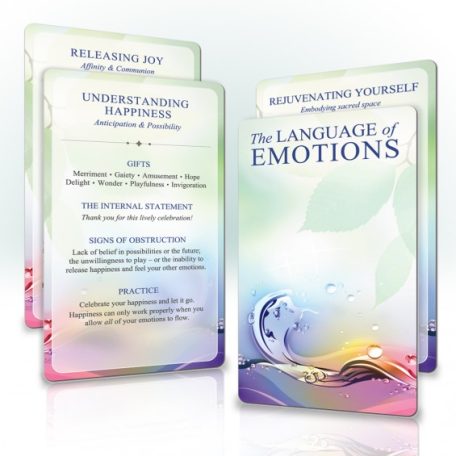
The Language of Emotions Cards
$15.50 -
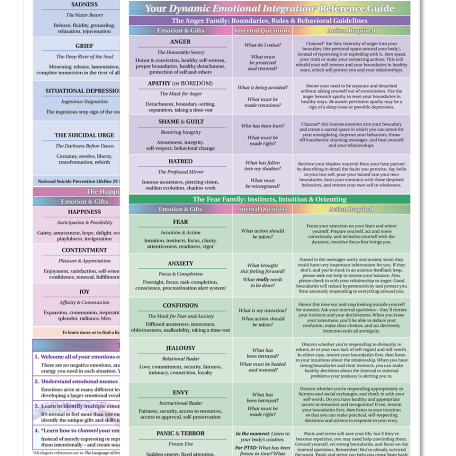
Your DEI Emotional Reference Guide
$10.00 -
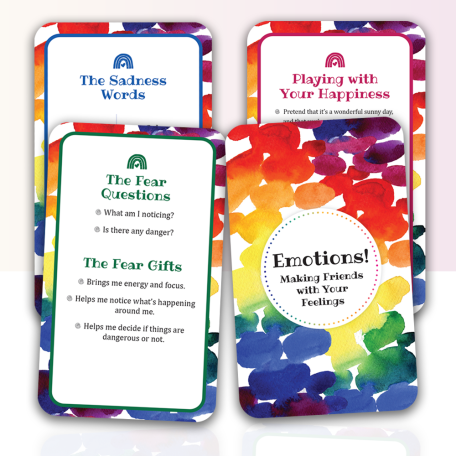
Emotions! The new card deck for kids!
$19.50 -
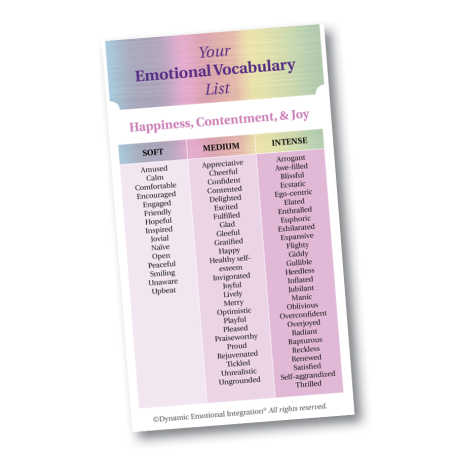
Emotional Vocabulary Lists
Price range: $1.00 through $30.00 -

Your Emotional Allies Cards
$14.50 -

The Art of Empathy Cards
$16.00 -
DEI Cuaderno de Trabajo
Original price was: $18.95.$16.00Current price is: $16.00.
